Centre for Human Rights and Climate Change Research
The Centre for Human Rights and Climate Change Research (CHRCCR) is an independent research, policy advocacy, education and capacity-development institution working at the intersection of human rights, environmental governance, climate change and sustainable development.
What We Do
Through research, education, training, policy advocacy, participation in negotiations, implementation follow-up, community engagement, networking and strategic partnerships, CHRCCR works to strengthen institutions, expand knowledge, promote participation and contribute to effective implementation of national and international commitments.

Policy Advocacy
Driving systemic change by influencing policies and engaging with decision-makers to create a lasting impact.

Research & Knowledge
Generating evidence-based insights and sharing expertise to inform best practices and guide strategic decisions.

Capacity Building
Empowering individuals and organizations with the skills, tools, and resources needed to achieve sustainable growth.
What We Do
CHRCCR is an independent research, policy advocacy and civil society organisation advancing human rights, climate justice, environmental protection and sustainable development.

OUR STRATEGIC PROGRAMME PLATFORMS
Connecting Human Rights, Environment and Sustainable Development
CHRCCR organizes its substantive work through interconnected Strategic Programme Platforms. These platforms provide a flexible institutional framework through which the Centre can address established priorities while responding to emerging national, African and global challenges.
Climate Action
CHRCCR advances climate justice and rights-based climate action through research, policy advocacy, capacity building and community engagement. Our work promotes adaptation, mitigation, resilience, climate finance and locally led action, with particular attention to vulnerable communities. We work to connect community realities with national, regional and global climate decision-making and to promote inclusive implementation of climate commitments.
Biodiversity Action
CHRCCR promotes the conservation, restoration and sustainable use of biodiversity and ecosystems through research, policy advocacy, capacity building and community engagement. Our work addresses ecosystem restoration, forests, land, water, oceans and wildlife, while promoting inclusive and rights-based approaches that recognise the vital role of local communities in protecting nature and advancing sustainable development.
Pollution Action
CHRCCR advances action to prevent and reduce pollution and protect human health, ecosystems and communities through research, policy advocacy, capacity building and community engagement. Our work addresses chemicals and waste, plastic pollution, air, water and soil pollution, and circular economy approaches, while promoting environmentally sound management, stronger environmental governance and effective implementation of national and international commitments.
Human Rights
CHRCCR promotes human dignity, equality and justice through research, policy advocacy and community engagement. We advance rights-based approaches to environmental protection, climate action and sustainable development, with particular attention to vulnerable communities, gender equality, public participation, access to justice and accountable governance.
Community Engagement
CHRCCR works with communities to connect lived realities with policy and decision-making. Through dialogue, education, capacity building and participatory initiatives, we strengthen community voices and promote meaningful participation in human rights, environmental protection, climate action and sustainable development, bringing local voices to national, regional and global spaces.
Sustainable Solutions
CHRCCR promotes integrated and inclusive solutions for sustainable development that connect environmental protection, human rights, social progress and economic development. Our work supports the implementation of the United Nations 2030 Agenda for Sustainable Development and the Sustainable Development Goals (SDGs), while advancing Africa’s development priorities under the African Union Agenda 2063. Through research, policy advocacy, capacity building and stakeholder engagement, CHRCCR contributes to the High-Level Political Forum on Sustainable Development (HLPF) and related national, regional and global processes, promoting effective implementation, accountability and meaningful civil society participation.
OUR WORK GROUPS
CHRCCR operates through specialized thematic work groups and knowledge platforms that provide technical expertise, strategic guidance and programme support.
CHRCCR’s Work Groups ad hoc task groups bring together researchers, professionals, practitioners and emerging leaders to strengthen the Centre’s research, policy engagement, knowledge development and participation in national, regional and international processes.
Human Rights Group
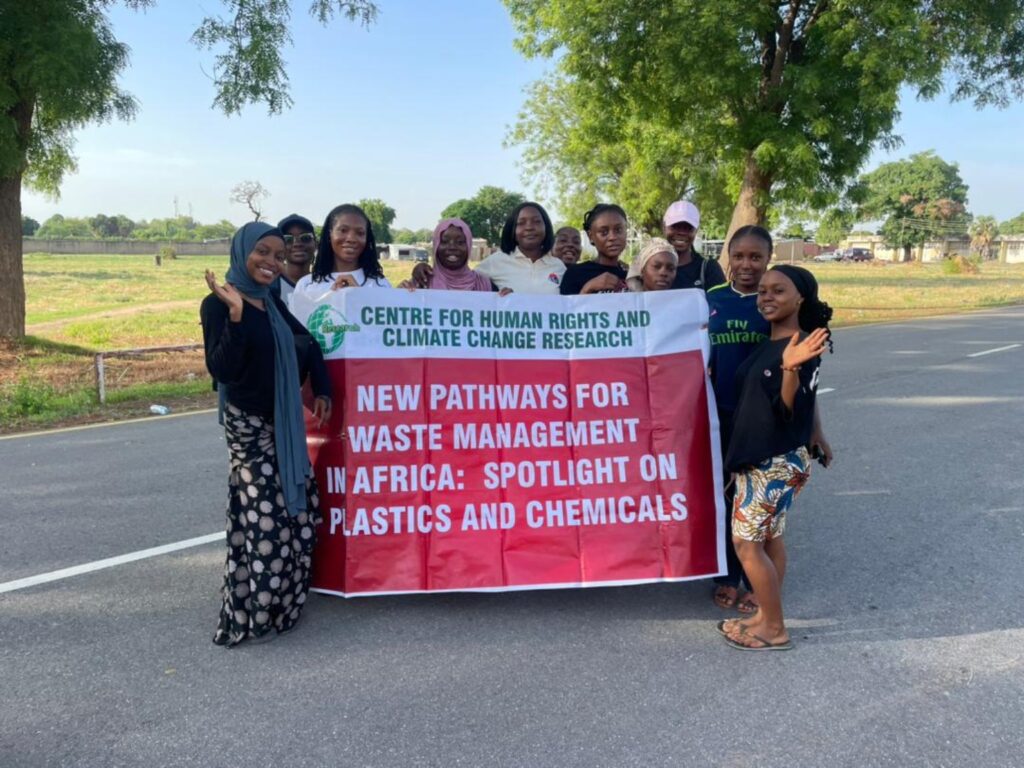
Climate, Science and Chemicals Panel
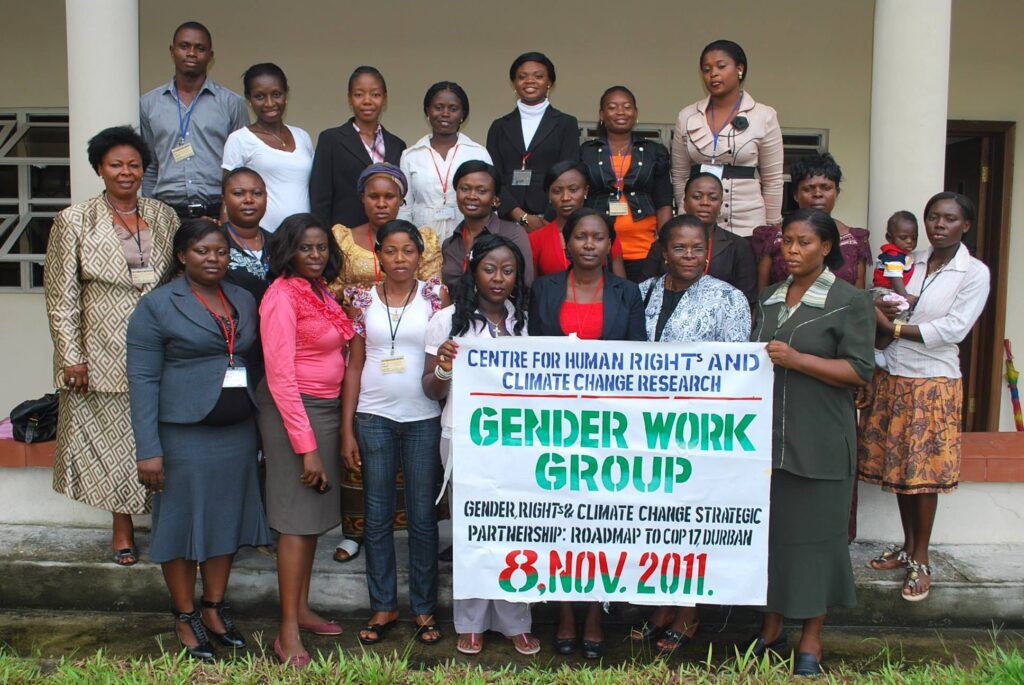
Gender Work Group
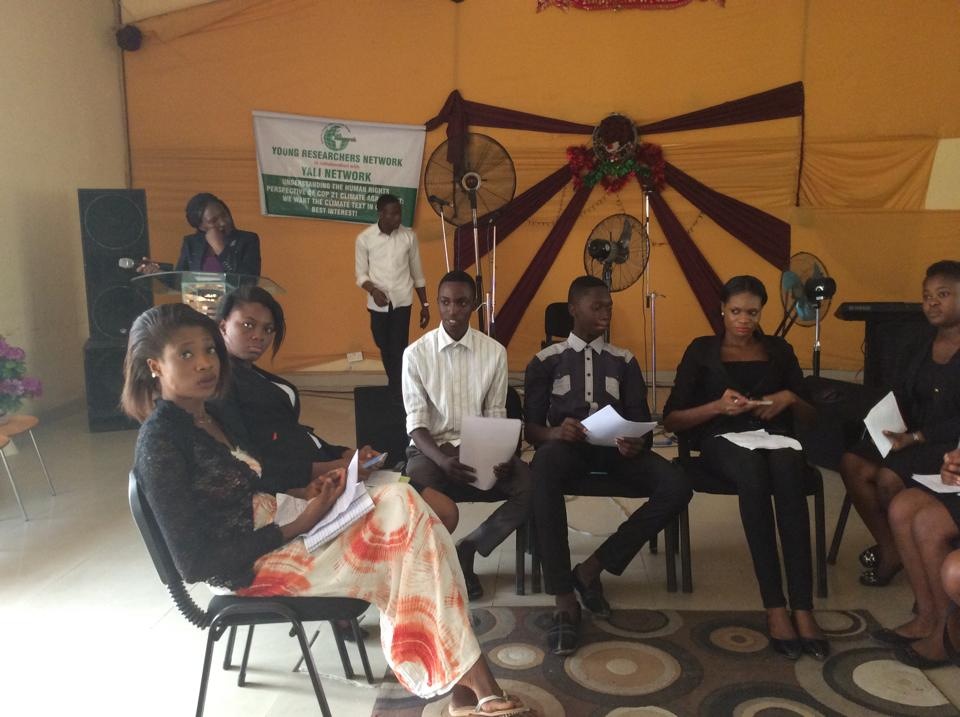
Young Researchers Forum
-
The Human Rights Group advances rights-based approaches across CHRCCR’s work.
Its areas of engagement include human rights and environmental governance, access to justice, climate justice, accountability, participation, rule of law, environmental rights and human rights education.
The Group helps ensure that the indivisibility and interdependence of human rights remain central to the Centre’s programmes and policy engagement.
The Climate, Science and Chemicals Panel
Date:
Location:
The Climate, Science and Chemicals Panel provides an interdisciplinary platform connecting scientific evidence with law, policy and environmental governance. Its work encompasses:
Climate science and policy
Biodiversity and ecosystems
Chemicals and waste
Pollution prevention
Environmental health
Nutrient management
Sustainable agriculture
Critical minerals
Scientific assessments
Environmental data and emerging technologies
The Panel provides institutional space for CHRCCR to follow and contribute, where appropriate, to major science-policy processes including the IPCC and the emerging global science-policy architecture addressing chemicals, waste and pollution prevention.
Space, Law & the Environment
Exploring the relationship between space law, environmental governance and sustainable development, including Earth observation, remote sensing, climate and environmental monitoring, disaster-risk reduction, sustainable space activities, African space governance and emerging questions in international space law.

Date:

Nuclear Energy, Radiation and Environmental Protection Advancing research and education on international nuclear law, peaceful uses of nuclear energy, environmental protection, nuclear safety, radiological protection, radioactive waste and nuclear governance, while promoting informed civil-society engagement on the humanitarian and environmental consequences of nuclear weapons.
The programme also supports education and coordination of civil-society information relevant to TPNW Meetings of States Parties and Review Conferences, and follows relevant work of institutions and networks including the IAEA, ICRP and ICAN, according to the Centre’s applicable engagement status.
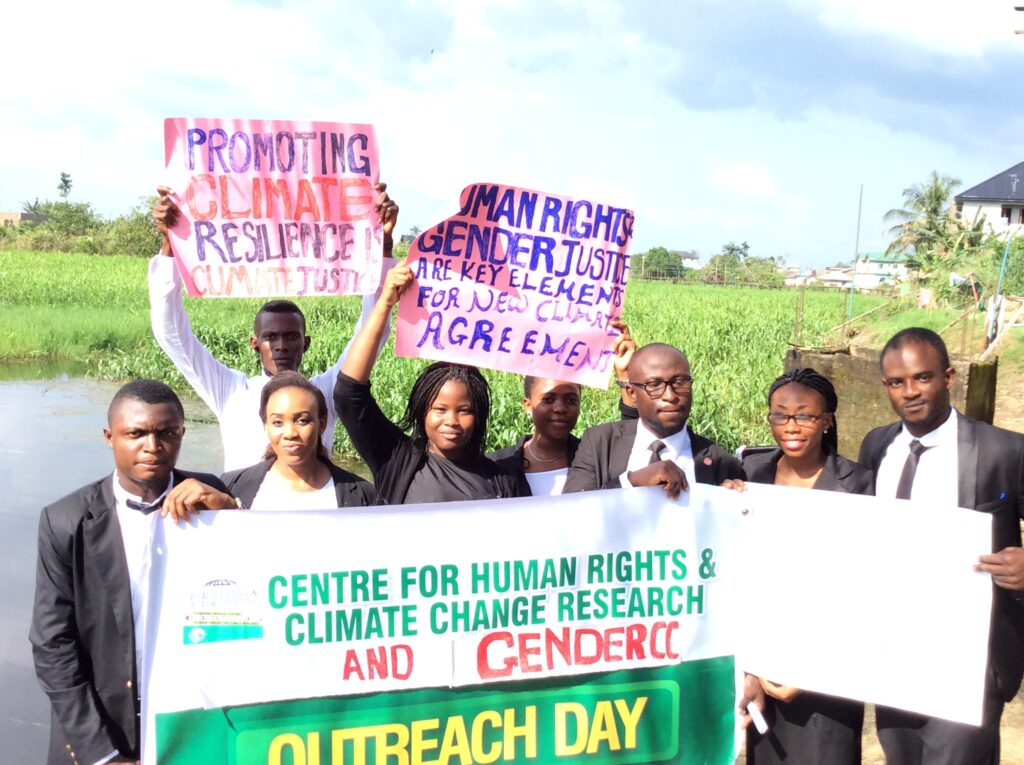
Human Rights Group
Date:
Location:
The Human Rights Group advances rights-based approaches across CHRCCR’s work.
Its areas of engagement include human rights and environmental governance, access to justice, climate justice, accountability, participation, rule of law, environmental rights and human rights education.
The Group helps ensure that the indivisibility and interdependence of human rights remain central to the Centre’s programmes and policy engagement.

The Climate, Science and Chemicals Panel
Date:
Location:
The Climate, Science and Chemicals Panel provides an interdisciplinary platform connecting scientific evidence with law, policy and environmental governance.
Its work encompasses:
Climate science and policy
Biodiversity and ecosystems
Chemicals and waste
Pollution prevention
Environmental health
Nutrient management
Sustainable agriculture
Critical minerals
Scientific assessments
Environmental data and emerging technologies
The Panel provides institutional space for CHRCCR to follow and contribute, where appropriate, to major science-policy processes including the IPCC and the emerging global science-policy architecture addressing chemicals, waste and pollution prevention.